
The Josephine Mystery
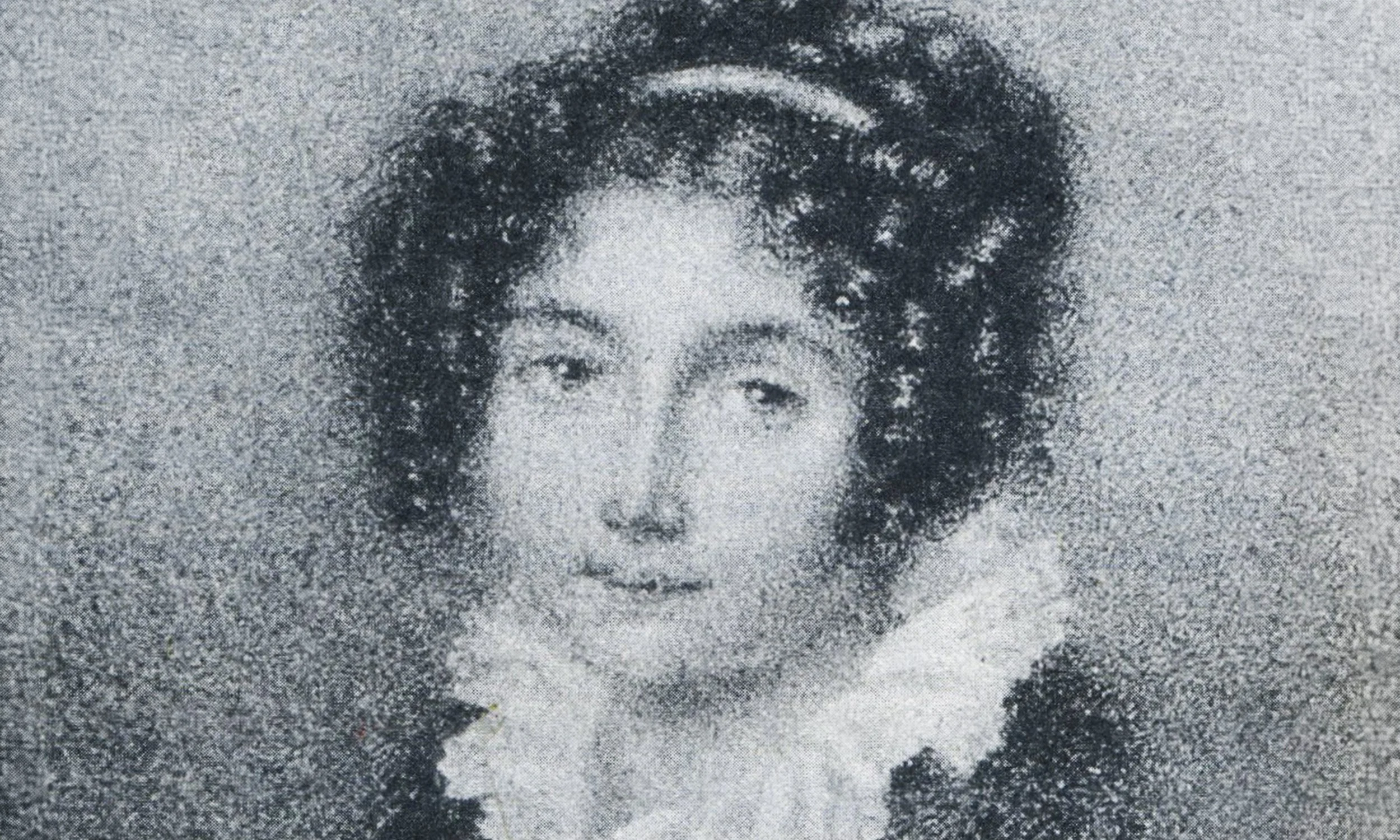
Josephine Brunsvik, circa 1800
On the morning of July 6, 1812, composer Ludwig van Beethoven wrote a letter to an unknown recipient. He begins, “My angel, my all, my very self — only a few words today, written in pencil, yours.”
The following morning he continues, “Even in bed my thoughts press toward you, my Immortal Beloved — now joyful, now sorrowful, waiting to see whether fate will hear us. I can live only wholly with you or not at all. I have resolved to wander until I can fly into your arms and feel entirely at home with you, my soul enveloped by yours. You will gather strength, knowing my faithfulness. No other can ever possess my heart — never, never.”
But who was he writing to? Who is the Immortal Beloved?
There are four or five serious contenders, including Giulietta Guicciardi, a young aristocrat. But one of the strongest candidates is Josephine Brunsvik, a member of the prominent Brunsvik family, with whom Beethoven exchanged thirteen surviving letters. The language of these letters is remarkably similar to that of the mysterious 1812 letter to the Immortal Beloved.
Were these letters part of one long-running love story between Beethoven and Josephine? German musicologist and Beethoven researcher Marie-Elisabeth Tellenbach believed so, finding recurring musical connections to Josephine woven through Beethoven’s music.
Born in Pressburg in the Kingdom of Hungary (now Bratislava, Slovakia) in 1779, Josephine Brunsvik belonged to the prominent Brunsvik family, originally of German descent. Beethoven met her around 1799, when he was teaching piano to Josephine and her sister Therese.
As a member of the aristocracy, however, Josephine faced expectations and social conventions that made a relationship with Beethoven, who was not of noble birth, deeply complicated. If their love did grow into something serious, it would have been a love that Josephine had every reason to keep hidden.
The story becomes especially fascinating to me because part of it unfolds close to my home, in the Slovak village of Dolná Krupá. The manor house there was a Brunsvik family estate for several generations. According to local tradition, Beethoven stayed in the little two-storey garden house during his visits, which now houses a small Beethoven museum.
At the Brunsvik manor in Dolná Krupá, Josephine’s uncle, Count Joseph Brunsvik, and his wife, Maria Anna, presided over a world of music, art and beauty. It was a grand house surrounded by gardens, filled with paintings, books and minerals, and alive with performances in its private theatre. Maria Anna dreamed of staging a melodrama with music by Beethoven, and local tradition whispers that somewhere among these grounds, he composed his beloved Moonlight Sonata.
A stroll through the park behind the manor house on a cool summer morning, with linden trees in bloom, is enough to inspire the imagination. Beethoven likely walked the same paths, possibly with Josephine by his side.
Lyrics from my song, Josephine’s Secret:
“You, my angel, my very self, hope’s last flame has just gone out.
I’m tangled in moonlight, waiting for the soft sigh of piano from the manor house.”
